Introduction: Preparing for Success
So, you have actually finally decided to deal with that unequal backyard or those annoying garden beds that keep threatening to tumble down. You're not alone-- many homeowners in Melbourne find themselves in need of a maintaining wall to boost their outside areas. However before you dive headfirst into this project, it's vital to get ready for your first consultation with a retaining wall installer. Get ready; this guide is going to equip you with everything you require to browse this procedure like a professional!
Understanding Keeping Walls: What Exactly Are They?
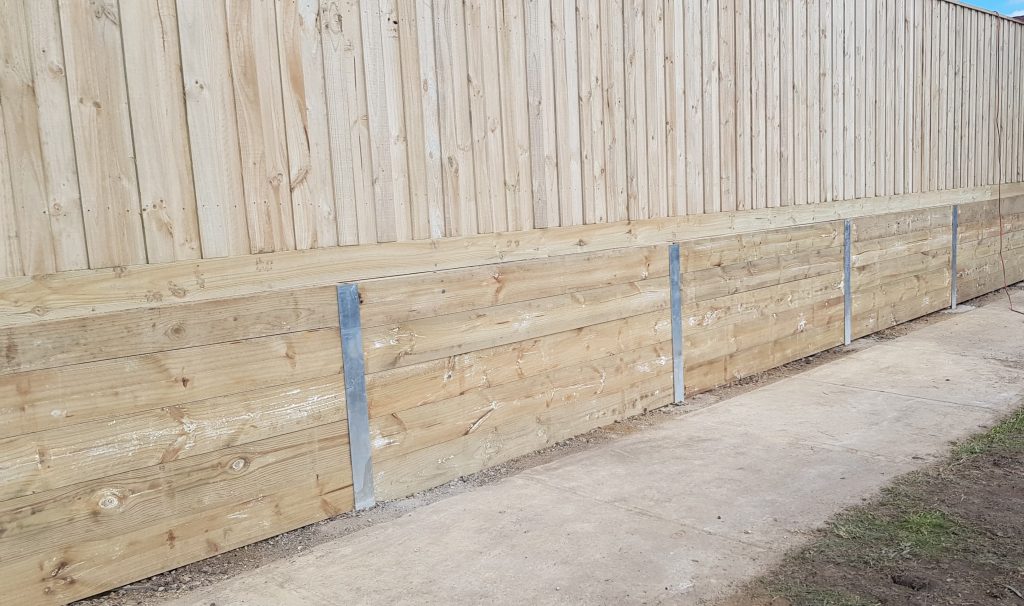
Before we dive into the nitty-gritty details of your assessment, let's take a moment to understand what a retaining wall in fact is. In simple terms, retaining walls are structures created to keep back soil and prevent erosion. They can be constructed utilizing various products such as concrete, lumber, or stone.
- Concrete Sleeper: These walls are made from precast concrete and deal exceptional durability. Timber Sleeper: If you're trying to find a more standard look, wood sleepers can supply that rustic appeal but might need more maintenance. Wood Sleeper: Similar to timber however frequently treated for much better weather condition resistance, wood sleepers bring an organic feel to your landscape.
Now that we have actually got the fundamentals covered, let's make certain you're completely gotten ready for your first conference with the pros!
Preparing for Your First Consultation with a Retaining Wall Installer in Melbourne
What Should You Bring to Your Consultation?
A picture may be worth a thousand words, but when it concerns consultations, having the ideal documents and details can conserve you time and money. Here's what you must consider bringing along:
- Site Plans: If readily available, bring any existing website plans or blueprints. Photos of Your Yard: Snap some photos from different angles; visuals can assist communicate your vision. Material Preferences: Know whether you're leaning towards concrete sleeper walls or something more rustic like timber sleeper options. Budget Estimates: Have a concept of how much you're willing to invest in the project.
Understanding Your Landscape Needs
Your yard isn't simply dirt and turf; it has its own set of challenges and opportunities. Before conference with your installer, think of:
Slope Levels: How high is your backyard? Steeper slopes may need taller walls. Drainage Issues: Do you have issues with water pooling? Soil Type: Understanding whether it's sandy or clay-like assists determine what products will work best.Crafting Your Vision
What do you want out of this keeping wall? Are you visualizing a functional structure that keeps soil at bay? Or possibly you're imagining a visual function that boosts your garden's appeal? Make sure you articulate these desires throughout your consultation.
Questions to Ask Throughout Your Consultation
What Materials Do You Recommend?
Every installer has their preferred materials based on experience and customer needs. Do not shy away https://jsbin.com/kixevuwaxo from asking them about their suggestions:
- Why do they prefer concrete sleeper walls over timber? What are the benefits of wood sleeper options?
How Long Will This Project Take?
Timeframes can differ greatly depending upon product option and site conditions. An excellent installer should provide reasonable timelines so you know when to anticipate completion.
Are There Any Hidden Costs I Need To Know Of?
Ah yes, the notorious surprise expenses! Constantly inquire about prospective additional expenditures like licenses or unanticipated website complications.
Can You Supply References or Past Work Examples?
You would not employ somebody without examining their qualifications-- same goes for retaining wall installers! Request references or pictures from previous projects.
Understanding Different Types of Maintaining Walls
Concrete Sleeper Walls
One of the most popular options among homeowners today is concrete sleeper walls. They're durable, long-lasting, and can stand up to harsh weather conditions-- best for Melbourne's distinct climate!
Benefits of Concrete Sleepers
Durability: Outlasts other products by years. Low Maintenance: Needs very little upkeep compared to timber options. Versatility: Can be painted or textured according to design preferences.Drawbacks
Higher preliminary cost compared to wood options. Limited visual appeal unless customized.Timber Sleeper Walls
If you've got an eye for aesthetics and love that rustic beauty, timber sleeper walls may simply be what you're looking for!
Advantages of Lumber Sleepers
Natural Look: Blends perfectly into gardens. Cost-effective: Typically cheaper than concrete alternatives. Easier Installation: Can be quicker due to lighter weight.Disadvantages
Susceptible to rot and bugs if untreated. Requires routine maintenance including staining or sealing.Wood Sleeper Walls
Similar yet distinct from timber sleepers are wood sleeper walls-- typically treated for improved longevity against weather conditions.
Pros of Wood Sleepers
Great aesthetic appeal comparable to wood alternatives but typically more resilient. Environmentally friendly if sourced sustainably.Cons
Can still rot if not effectively maintained. May need extra treatment in time compared to concrete options.The Value of Regional Regulations
Before any construction begins-- even if you're simply installing a maintaining wall-- you'll require to acquaint yourself with regional regulations in Melbourne regarding height limitations and developing codes.
Do I Required Permits?
In lots of cases, yes! Check if your job requires permits by seeking advice from local council guidelines in advance-- this will conserve headaches down the line!
Preparing Your Site
Clearing the Area
Prior preparation shouldn't just stop at paperwork; guarantee that the area where your wall will sit is clear of particles, plants, or anything else that could block access throughout construction.
Soil Testing
Consider getting soil evaluates done before assessment if you're uncertain about stability concerns-- knowing what sort of soil you're dealing with enables installers higher insight into what materials would suit best!
Visualizing Your Design
As they state, "A picture is worth a thousand words." Design prospective styles or use software tools offered online! Doing so can significantly reduce interaction difficulties during assessments:
|Style Aspect|Alternatives Readily available|| --------------------|------------------------------------------|| Material|Concrete Sleeper/ Timber Sleeper|| Height|Low (1m)/ Medium (1-2m)/ High (Above 2m)|| Color|Natural Wood/ Painted End Up|
What Happens Next? The Follow-Up Process
Once you've finished up your very first assessment session:
Expect a main quote within a few days based upon discussed plans. Review all details thoroughly-- don't be reluctant to reach out if anything appears unclear! Schedule another consultation if needed before signing agreements; clarity matters most here!FAQs About Retaining Wall Installation in Melbourne
1) How much does it cost to set up a keeping wall?
The cost differs widely depending on material choice (concrete vs lumber), height requirements, and other job specifics-- but anticipate anywhere in between $100-$300 per square meter as a rough estimate!
2) For how long does installation usually take?
Depending on intricacy & & weather conditions included-- it might take anywhere from several days up till weeks before completion!
3) Can I develop my own maintaining wall?
While do it yourself jobs sound attractive-- it's usually best left up specialists who comprehend regional policies & & structural integrity concerns associated with such installations!
4) Are there any service warranties available?
Most trustworthy installers use warranties covering both craftsmanship & & products used-- make certain constantly reviewed these information thoroughly prior signing contracts!
5) What takes place if drainage issues develop post-installation?
It's vital attending to possible drainage issues beforehand; speak with specialists acquainted around reliable solutions tailored specifically towards preventing concerns following completion stages!
6) Can I plant greenery near my brand-new retaining wall?
Generally speaking yes! However certain plant types grow roots extensively-- which might impact structure stability later on down road-- so it's sensible consult landscaping professionals beforehand too!
Conclusion
Preparing for your first assessment with a retaining wall installer in Melbourne does not need to feel overwhelming! With mindful planning and understanding about different products like concrete sleepers versus lumber choices-- and understanding local regulations-- you can go into those conferences feeling great and informed! So go on; roll up those sleeves because quickly enough you'll have that lovely new addition enhancing your outside space!